How DNA Testing Can Help You Find the Right Diet:
In the quest for optimal health, many individuals are turning to DNA testing as a means to tailor their diets to their unique genetic makeup. This innovative approach, known as nutrigenomics, explores how our genes influence our nutritional needs and responses to various foods. By understanding the genetic factors that affect metabolism, nutrient absorption, and food intolerances, individuals can make informed dietary choices that align with their biological predispositions. This article delves into the science of DNA testing for nutrition, the specific genetic markers that impact diet and weight loss, and how to effectively interpret DNA analysis results. Additionally, we will explore the benefits and limitations of Give more details about what’s in the picture. Highlight a particular feature of your business like product quality, unique offer, or limited sale price. Provide social proof by sharing a customer review. Introduce yourself and your team to gain trust.
The promise of personalized healthcare, moving beyond a 'one-size-fits-all' approach, is a driving force behind the growing interest in genetic insights for diet.
Personalized Diets: The Future of Genetic Healthcare Since the completion of the human genome project >15 y ago, a plethora of genetic variants have been identified that affect people's susceptibility to disease (1). With a growing understanding of the genetic basis of diseases and of their risk factors, the hope and expectation is that genetics will soon revolutionize health care. Knowing a patient's genome would enable us to predict risk of future disease more accurately and to prescribe personalized treatment and prevention strategies, as opposed to the traditional “one-size-fits-all” approach. From nutrigenomics to personalizing diets: are we ready for precision medicine?, RJF Loos, 2019
What Is DNA Testing for Nutrition and How Does It Work?
What Is DNA Testing for Nutrition and How Does It Work?
DNA testing for nutrition involves analyzing an individual's genetic material to identify specific genetic markers that influence dietary needs and responses. This process typically includes collecting a saliva or blood sample, which is then analyzed in a laboratory to uncover insights about metabolism, nutrient absorption, and potential food intolerances. The primary benefit of this testing is its ability to provide personalized nutrition recommendations based on an individual's unique genetic profile. Understanding these genetic influences allows for more effective dietary planning and can lead to improved health outcomes.
Understanding Nutrigenomics and Its Role in Personalized Diets
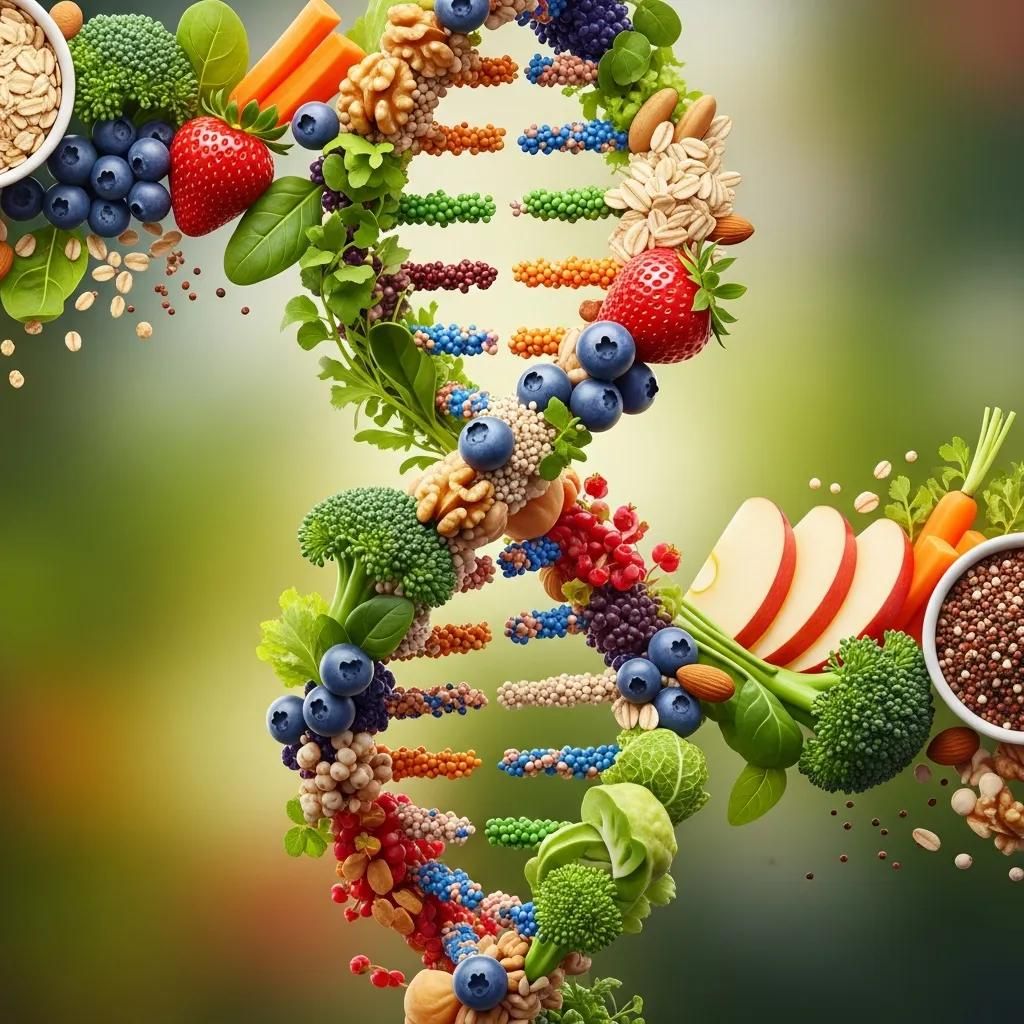
Nutrigenomics is the study of how genes interact with nutrients and how this interaction affects health. It plays a crucial role in personalized diets by providing insights into how specific genetic variations can influence an individual's response to different foods. For example, certain genetic markers may indicate a higher risk for food intolerances or sensitivities, guiding individuals to avoid specific dietary components. By leveraging nutrigenomics, individuals can create a diet that not only meets their nutritional needs but also aligns with their genetic predispositions.
Indeed, the foundational role of nutrigenomics in shaping the future of personalized nutrition and precision healthcare cannot be overstated.
Nutrigenomics: Key to Personalized Nutrition & Precision Health Nutrigenetics/nutrigenomics plays an important role not only in treating diseases and illnesses but also in promoting health and wellness through both basic and clinical research; and it is critical for the future of both personalized nutrition and precision healthcare. Nutrigenetics/nutrigenomics, personalized nutrition, and precision healthcare, JA Marcum, 2020
How Genetic Markers Influence Metabolism and Nutrient Absorption
How Genetic Markers Influence Metabolism and Nutrient Absorption
Genetic markers play a significant role in determining how efficiently our bodies metabolize nutrients and absorb them from food. For instance, variations in genes related to carbohydrate metabolism can affect how quickly an individual processes sugars, impacting their energy levels and weight management. Similarly, genetic differences in fat metabolism can influence how the body stores and utilizes fats. Understanding these genetic factors can help individuals tailor their diets to optimize nutrient intake and support overall health.
Which Genetic Markers Affect Your Diet and Weight Loss?
Which Genetic Markers Affect Your Diet and Weight Loss?
Several key genetic markers have been identified as influential in determining dietary needs and weight loss potential. These markers can provide valuable insights into how an individual may respond to various dietary approaches.
Key Genes Linked to Food Intolerances and Metabolic Rates
Key Genes Linked to Food Intolerances and Metabolic Rates
Certain genes are associated with food intolerances, such as lactose intolerance or gluten sensitivity. For example, variations in the LCT gene can indicate an individual's ability to digest lactose, while the HLA-DQ gene is linked to gluten sensitivity. Additionally, metabolic rate can be influenced by genes such as FTO, which has been associated with obesity risk. Understanding these genetic links can help individuals make informed dietary choices that minimize discomfort and support weight management.
The intricate relationship between genes and nutrients, exemplified by early discoveries like the lactose operon theory, forms the bedrock of molecular nutrition and our understanding of dietary responses.
Gene-Nutrient Interactions: Foundations of Molecular Nutrition Molecular nutrition has emerged as a new area in nutritional science following both advances in molecular biology and requirements for explaining the organism’s responses to nutrients at a molecular level. These include gene expression, signal transduction, and covalent modifications of proteins (Müller and Kersten, 2003). Jacob and Monod (1961) first developed the lactose operon theory, which is the first example of gene regulation by a nutrient. Shapiroet al.(1969) isolated pure lactose operon DNA fromEscherichia coli, thereby fully demonstrating the lactose operon model of Jacob and Monod (1961). Gene-nutrient interactions are the paradigm for the interplay between the genome and the environment. Molecular nutrition: basic understanding of the digestion, absorption, and metabolism of nutrients, 2015
How SNP Analysis Guides Genetic Weight Loss Tests

How SNP Analysis Guides Genetic Weight Loss Tests
Single nucleotide polymorphism (SNP) analysis is a common method used in genetic testing to identify variations in genes that may affect weight loss. By examining specific SNPs, individuals can gain insights into their predisposition to gain or lose weight based on their genetic makeup. This information can guide personalized weight loss strategies, such as dietary adjustments or exercise regimens tailored to an individual's genetic profile.
How to Interpret Your DNA Diet Analysis Results Effectively?
How to Interpret Your DNA Diet Analysis Results Effectively?
Interpreting DNA diet analysis results can be complex, but understanding the key components can empower individuals to make informed dietary choices.
Decoding Test Reports for Personalized Nutrition Recommendations
Decoding Test Reports for Personalized Nutrition Recommendations
DNA test reports typically include information about various genetic markers and their implications for nutrition. Key metrics to look for include markers related to metabolism, nutrient absorption, and food intolerances. By decoding these results, individuals can derive personalized nutrition recommendations that align with their genetic predispositions. For instance, if a report indicates a sensitivity to gluten, an individual can adjust their diet accordingly to avoid gluten-containing foods.
Common FAQs About DNA-Based Diet Plans and Their Accuracy
Common FAQs About DNA-Based Diet Plans and Their Accuracy
Many individuals have questions about the accuracy and reliability of DNA-based diet plans. Common concerns include the validity of the testing methods and the relevance of the findings. Research indicates that while DNA testing can provide valuable insights, it is essential to consider these results as part of a broader approach to health and nutrition. Consulting with a healthcare professional can help individuals interpret their results accurately and implement effective dietary changes.
What Are the Benefits and Limitations of Nutrigenomics Testing?
What Are the Benefits and Limitations of Nutrigenomics Testing?
Nutrigenomics testing offers several advantages, but it also has its limitations that individuals should consider.
Advantages of Using DNA Testing for Tailored Diet Plans
Advantages of Using DNA Testing for Tailored Diet Plans
One of the primary benefits of DNA testing for nutrition is the ability to create highly personalized diet plans. By understanding genetic predispositions, individuals can make informed choices that enhance their health and well-being. Additionally, personalized nutrition can lead to improved adherence to dietary recommendations, as individuals are more likely to follow plans that align with their unique needs and preferences.
Understanding the Current Scientific Evidence and Limitations
Understanding the Current Scientific Evidence and Limitations
While nutrigenomics holds promise, it is essential to recognize the current limitations in the field. Research is ongoing, and not all genetic markers have been fully understood or validated. Furthermore, environmental factors, lifestyle choices, and overall health also play significant roles in determining dietary needs. Therefore, DNA testing should be viewed as a complementary tool rather than a definitive solution for dietary planning.
How Can You Integrate DNA-Based Diet Plans with Lifestyle and Fitness?
How Can You Integrate DNA-Based Diet Plans with Lifestyle and Fitness?
Integrating DNA-based diet plans with lifestyle and fitness is crucial for achieving optimal health outcomes.
Combining Genetic Diet Insights with Exercise for Weight Loss
Combining Genetic Diet Insights with Exercise for Weight Loss
To maximize the benefits of a personalized diet, individuals should also consider their exercise routines. Genetic insights can inform not only dietary choices but also exercise strategies that align with an individual's metabolic profile. For example, those with a genetic predisposition for higher endurance may benefit from aerobic exercises, while others may find strength training more effective for weight loss.
Case Studies Demonstrating Success with Personalized Nutrition
Case Studies Demonstrating Success with Personalized Nutrition
Numerous case studies highlight the success of individuals who have implemented DNA-based diet plans. For instance, one individual with a genetic predisposition to lactose intolerance successfully eliminated dairy from their diet, resulting in improved digestive health and weight loss. These real-life examples underscore the potential of personalized nutrition to drive positive health outcomes.
What Are the Latest Trends and Research in DNA Testing for Diet?
What Are the Latest Trends and Research in DNA Testing for Diet?
The field of DNA testing for diet is rapidly evolving, with new research and technologies emerging.
Recent Studies on Nutrigenomics and Weight Management
Recent Studies on Nutrigenomics and Weight Management
Recent studies have focused on the relationship between genetic markers and weight management strategies. Research indicates that individuals with specific genetic profiles may respond better to certain dietary approaches, such as low-carb or high-protein diets. These findings are paving the way for more tailored weight management solutions based on genetic insights.
Emerging Technologies: Microbiome and DNA Data Integration
Emerging Technologies: Microbiome and DNA Data Integration
Innovations in technology are also enhancing the field of nutrigenomics. The integration of microbiome data with DNA analysis is providing a more comprehensive understanding of how genetics and gut health interact to influence dietary needs. This emerging field holds promise for developing even more personalized nutrition strategies that consider both genetic and microbiome factors.
Find Your Perfect Diet
Get Your Personalized Plan
Limited TIme Offer
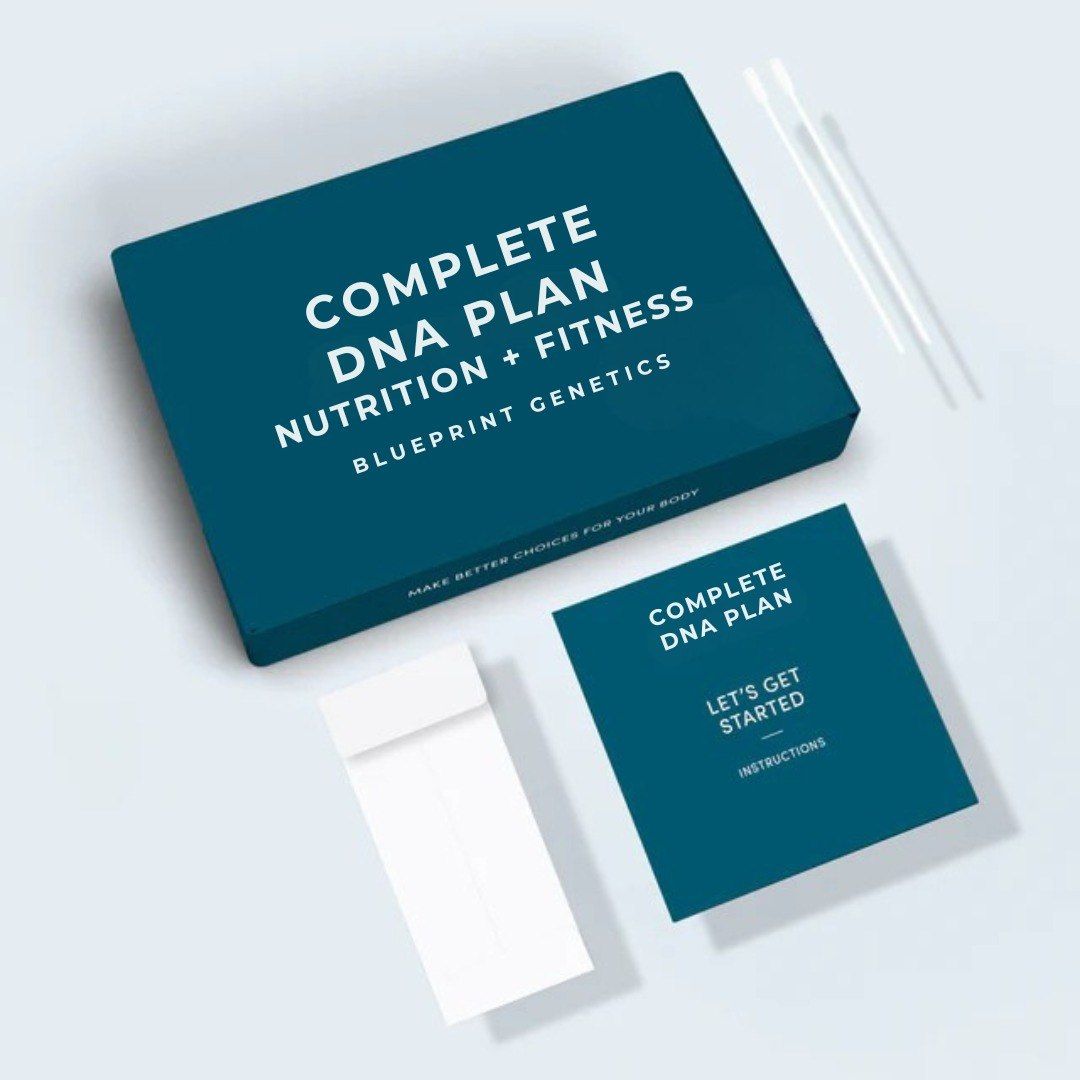
NUTRITION + FITNESS (FULL PLAN)
NUTRITION + FITNESS (FULL PLAN)
Complete DNA Plan for Nutrition, Fitness & Weight Loss (Nutrigenetics & Nutrigenomics)
$499.00